Nicotine Replacement Therapy: A Practical Guide
NRT gives you controlled nicotine without the smoke or vapour. Here is how much it actually improves your odds, and how to use it properly.
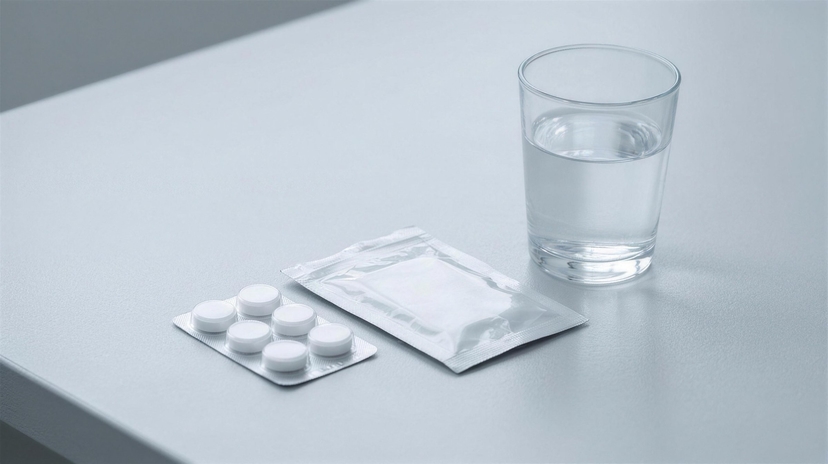
Nicotine replacement therapy gives you controlled nicotine without the smoke or vapour, taking the edge off withdrawal while you dismantle the habit around it. It is one of the best-evidenced interventions in this whole field.
How much it actually helps
NRT increases your chances of quitting by about 50% to 70%.
That is a large effect for a widely available, inexpensive treatment. It is also worth stating carefully, because NRT is very commonly described as “doubling your odds” — which is a bigger claim than the evidence makes. A 50–70% improvement is not the same as a 100% one, and a guide that inflates it is teaching you to distrust the next number it gives you.

Scientific evidence indicates that using NRT helps increase the chances of quitting by about 50% to 70%.
What you are actually treating
Withdrawal symptoms peak around 2 to 3 days after quitting. That is the window NRT exists to flatten.
Knowing the peak is useful in itself. The hardest part is close, specific and short — and the belief that it will simply keep getting worse is what ends a lot of attempts on day two.
How the options differ
- Patches — steady background nicotine across the day. Simple, discreet, and they remove the decision-making.
- Gum and lozenges — faster acting, for cravings that arrive suddenly.
- Inhalator and nasal spray — quickest relief, and the inhalator also occupies the hand-to-mouth ritual, which is a real part of the habit for many people.
The strategy that works best
Combine a patch with a fast-acting form. The patch covers the baseline; the gum, lozenge or spray handles breakthrough cravings. This combination is generally more effective than either alone.
Using it well
- Start on your quit day, at a dose matched to how much you were smoking or vaping.
- Do not under-dose. This is the commonest mistake and a frequent cause of relapse: people take too little, feel it is not working, and conclude NRT does not work for them.
- Use the fast-acting form when you crave, not on a schedule. That is what it is for.
- Step down gradually over weeks. Stopping NRT abruptly recreates the problem you were treating.
What sits alongside it
Prescription options such as varenicline help many people and can be more effective again; your GP or a stop-smoking service can advise. Behavioural support — even brief, structured support — improves success beyond medication alone, and the two combined are better than either.
If you are in the UK, local stop-smoking services are free and are the single most underused resource in this area.
Relapse is not failure
Most people who quit for good did not do it on the first attempt. A slip tells you which trigger you had not planned for, which makes the next attempt better designed rather than merely more determined.
The bottom line
NRT improves your odds by around 50–70%, works best as a patch plus something fast-acting, and is most often failed by being under-dosed. The worst of withdrawal peaks at two to three days — which is close enough to plan around.
References
Each source is listed against the claim it supports, so you can check the pairing rather than take the list on trust.
-
1. Supports: “Nicotine replacement therapy increases the chances of quitting by about 50% to 70%, and withdrawal symptoms typically peak around 2 to 3 days after quitting.”
Nicotine Replacement Therapy — Sandhu A, Hosseini SA, Saadabadi A . StatPearls Publishing , last updated 2023-11-12.
Written by
Health journalist focused on recovery, harm reduction and nicotine cessation, covering addiction policy and treatment access.