Liver Detox Myths vs What Actually Helps
Your liver detoxes itself — so what do 'liver detox' products actually do? We separate the marketing from what genuinely supports liver health.
“Liver detox” is one of the biggest marketing categories in wellness — and one of the most misunderstood. Here’s what’s real.
Your liver is already a detox organ, in two specific stages
“The liver detoxifies” is true and vague. What it actually does is a two-step chemical conversion, and knowing the steps is what makes the marketing fall apart.
Phase I uses cytochrome P450 enzymes to oxidise, reduce or hydrolyse a substance into a more water-soluble form. Phase II then conjugates that product — attaching glucuronate, glutathione or sulfate — so it can be carried out in bile or blood.
Two things follow. The first is that this runs continuously, on everything you consume, and has been running all week. The second is subtler: phase I often makes a substance more reactive before phase II makes it safe to excrete. A product claiming to “boost detox pathways” without saying which phase is describing something it cannot have measured.
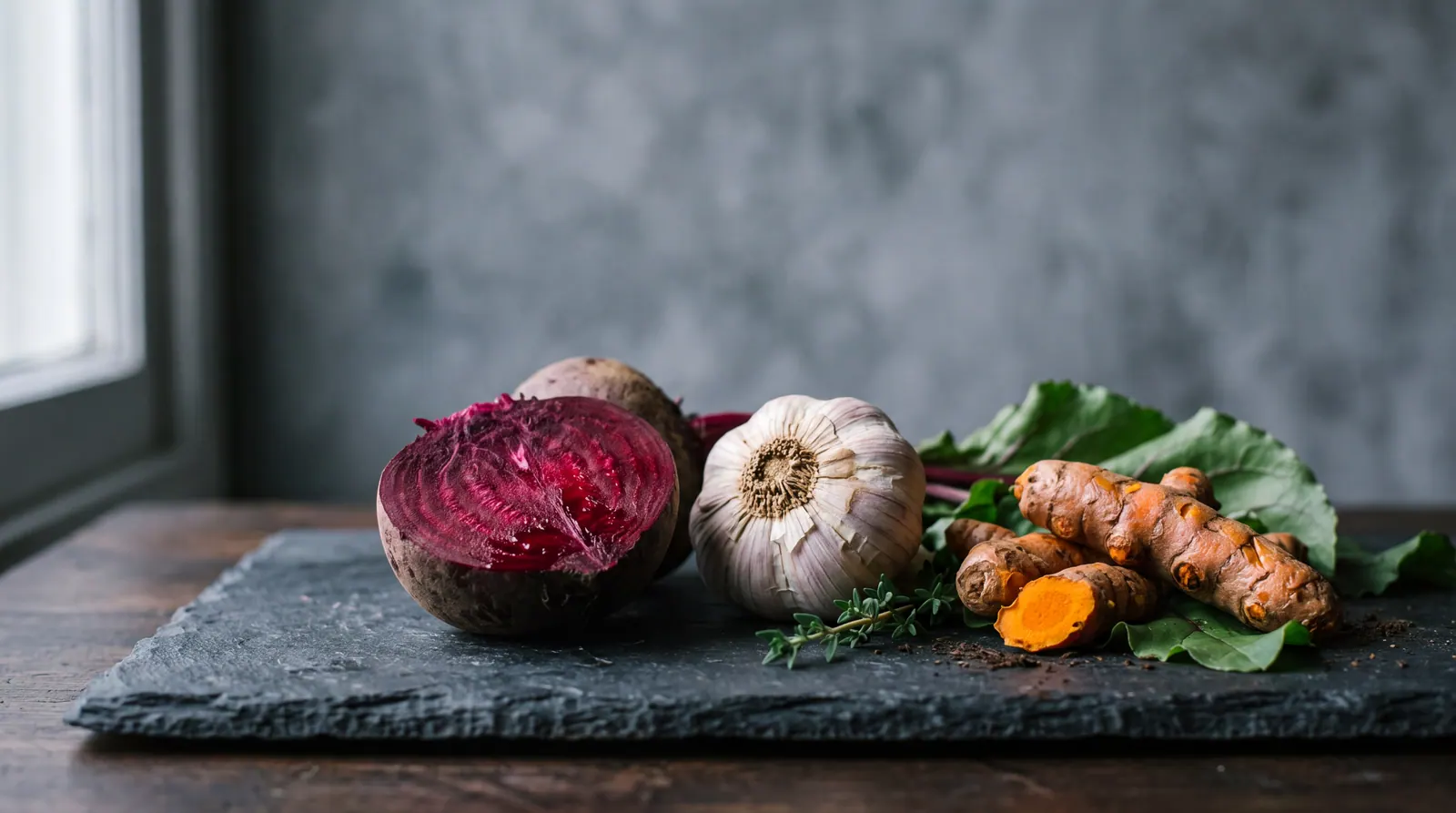
Phase I reactions create a more hydrophilic solute via oxidation, reduction, and hydrolysis using primarily the cytochrome P450.
In a healthy person none of this needs a product to “flush” or “reset” it. There is no queue and nothing to unblock.
What detox products usually do
Most liver-detox supplements and teas contain herbs like milk thistle, plus diuretics or laxatives. At best they offer mild antioxidant support; at worst the laxative effect just causes temporary water-weight loss that gets mistaken for “detoxing.”
The irony of the supplement aisle
The liver is the organ that processes almost everything you swallow, which makes it the organ most exposed to what you take for it.
High-dose supplements are metabolised by the same phase I and phase II machinery as everything else, and several are well documented causes of drug-induced liver injury — green tea extract at high doses among them. So a cupboard of concentrated botanicals taken for “liver support” is, mechanically, more work for the liver rather than less.
This is not an argument that every supplement is dangerous. It is an argument that “supports the liver” is a claim requiring evidence in exactly the place people accept it without any.
What genuinely supports your liver
- Limiting alcohol. By a distance the single biggest factor, because ethanol is metabolised ahead of nearly everything else and its by-products do the damage.
- Maintaining a healthy weight. Fatty liver disease is common, largely silent, and one of the few liver problems you can genuinely act on early.
- Eating plenty of vegetables, fibre and lean protein — unglamorous, and the actual evidence-backed version of “liver-friendly eating”.
- Staying active, which improves the metabolic picture fatty liver sits inside.
- Being cautious with high-dose supplements, for the reason above.
When to see a doctor
Persistent fatigue, yellowing skin or eyes, or right-side abdominal pain deserve medical attention — not a detox tea.
The best “liver detox” is a set of everyday habits, not a two-week cleanse.
References
Each source is listed against the claim it supports, so you can check the pairing rather than take the list on trust.
-
1. Supports: “The liver already performs detoxification itself, converting substances through phase I and phase II metabolism so they can be excreted.”
Physiology, Liver — Kalra A, Yetiskul E, Wehrle CJ, Tuma F . StatPearls Publishing , last updated 2023-05-01.
Written by
Health journalist covering fasting, detox protocols, supplements and recovery, with a bias towards saying what the evidence does not show.