
Fasting
Water Fasting: Benefits, Risks and How to Do It Safely
A plain-English guide to water fasting — what happens in your body, who should avoid it, and how to approach it without putting your health at risk.
writer
Health journalist covering fasting, detox protocols, supplements and recovery, with a bias towards saying what the evidence does not show.
A plain-English guide to water fasting — what happens in your body, who should avoid it, and how to approach it without putting your health at risk.

The best-designed trial of an eating window found it added nothing to cutting calories. Here is how to read a fasting headline against it.

How you break a fast matters more than most people expect — and after a long one it is the part with genuine medical risk. Here is how to come back.

Your liver detoxes itself — so what do 'liver detox' products actually do? We separate the marketing from what genuinely supports liver health.
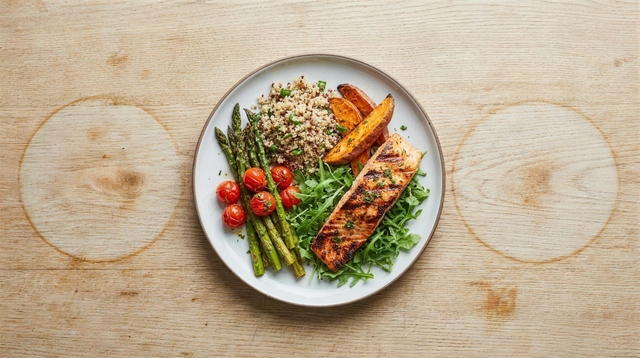
One meal a day is the most extreme common fasting pattern and the least studied. Here is what the surrounding evidence implies, and where it runs out.

Five normal days, two restricted ones. Here is what the trials actually found when 5:2-style fasting was compared head to head with ordinary dieting.

Fasting is simple in theory and easy to get wrong. The mistakes that trip people up most, and what the physiology says about each one.

Detox and weight-loss supplements face regular US and UK regulatory scrutiny. What the rules require, and red flags worth knowing before you buy.

Training fasted changes your muscles more than it changes your results. Here is what a controlled trial found, and how to decide whether it suits you.
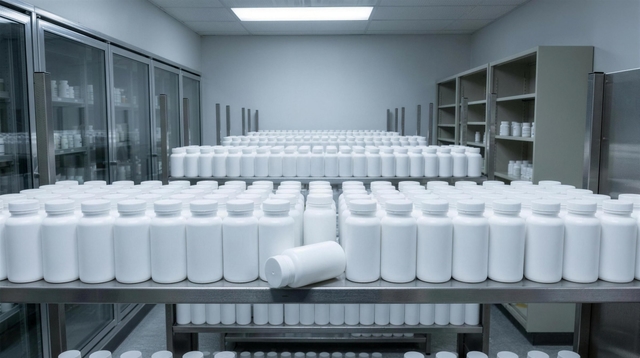
The FDA identified 776 adulterated supplements in a decade, and weight-loss products were the second-largest category. Here is how to check yours.

Gut reset programmes promise to rebalance your microbiome in a week. Here is what really shifts it, and the number most people are missing.
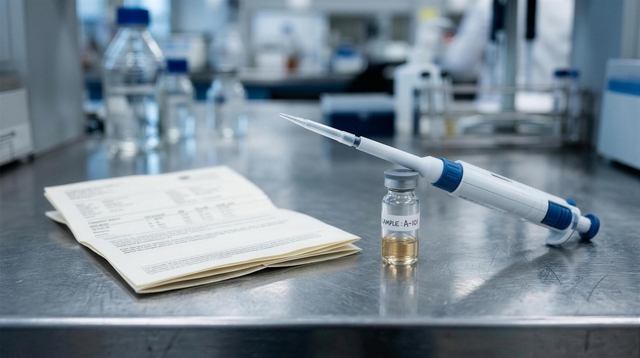
Heavy metal detox supplements promise to pull toxins out of you. Real chelation is a hospital treatment with real risks — and that difference matters.
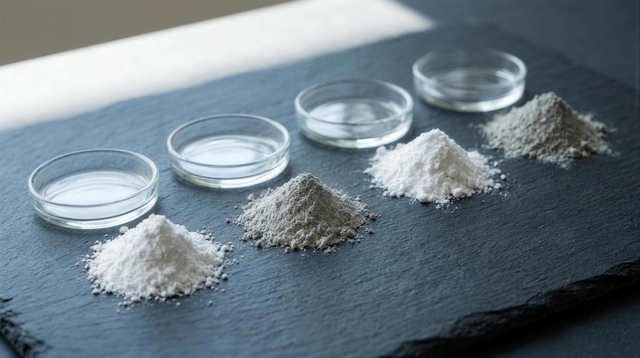
Glycinate, citrate, oxide, malate — the forms differ far less than the marketing implies, with one real exception the evidence supports.

A sugar detox is not detoxification, but a week off added sugar is a genuinely useful habit reset. Here is what to expect and how much sugar actually counts.

GLP-1 medicines are prescribed alongside diet and activity, not instead of them — which is exactly where stacking a fast on top goes wrong.
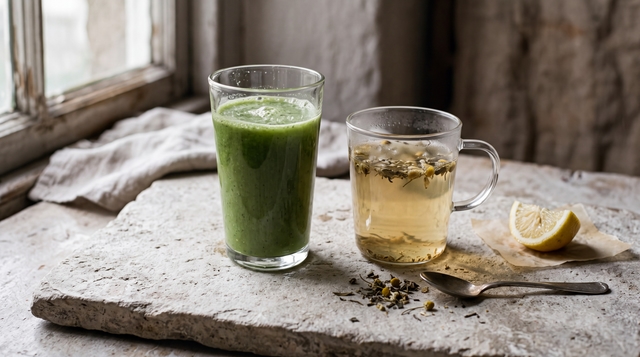
We look at what detox teas, juice cleanses and 'flushing' products actually do in your body — and what the evidence says about whether they work.
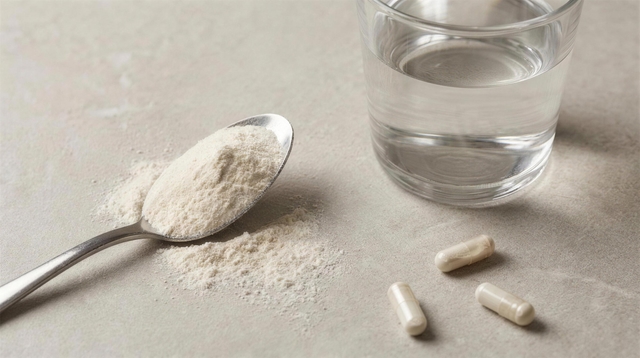
There is a real, quantified benefit for antibiotic-associated diarrhoea. Almost everything else on the label is a promise about a different strain.

Your kidneys filter around 200 litres of fluid a day. Here is how that works, why 'kidney cleanses' miss the point, and what genuinely protects them.
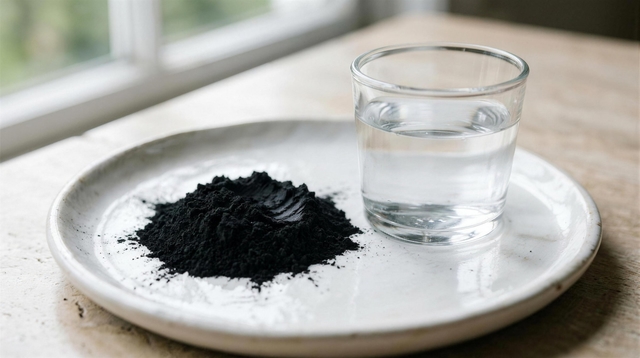
Activated charcoal is a real emergency treatment with a one-hour window. Almost everything the wellness industry does with it happens outside that window.

The UK advice has specific numbers behind it — 10 micrograms a day in autumn and winter, all year for some groups, and a hard ceiling of 100.

Headaches and fatigue during a fast are often an electrolyte problem, not a hunger one — and the fix carries its own risk if you get it wrong.

Lymphatic drainage massage, dry brushing and gadgets are sold as a way to flush toxins. Here is what the lymphatic system actually does, and what moves it.
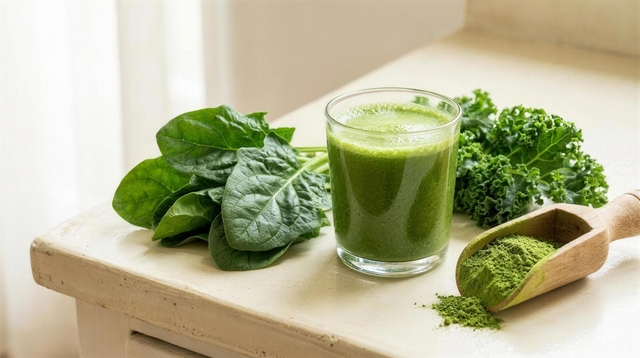
The evidence for vegetables is about weight of intake — up to 800 g a day. A scoop of powder weighs about eight, and that is the whole problem.

The boom is real by the industry's own accounting — and that accounting is the industry's. Here is what the numbers mean and what to check before booking.

Milk thistle and NAC are the two names that dominate liver supplements. One has inconclusive trials behind it; the other is a hospital antidote.

A clear, compassionate guide to alcohol withdrawal symptoms, the timeline, and the warning signs that mean you need medical help immediately.

How 16:8 intermittent fasting works, what the research says about its benefits and risks, and a simple, safe way to start this week.