Breaking a Fast: What to Eat and Why It Matters
How you break a fast matters more than most people expect — and after a long one it is the part with genuine medical risk. Here is how to come back.

How you break a fast matters more than most people expect. After a short fast that is a comfort question. After a long one it becomes a medical one, and the distinction is worth understanding before you need it.
What your body is doing when you break it
By around 24 hours, glycogen stores are depleted and the body has moved to running on fat and, to some degree, protein. Insulin is low. Electrolytes have been quietly shifting.
Food changes that state fast. Carbohydrate arrives, insulin rises sharply, and cells pull glucose inward — taking phosphate, magnesium and potassium in with it, out of a bloodstream that may not have much to spare.
Refeeding syndrome, in plain terms
That shift is the mechanism behind refeeding syndrome.

Hypophosphatemia is a hallmark of refeeding syndrome; however, other electrolyte irregularities may include but are not limited to decreased amounts of magnesium, potassium, and thiamine.
A sharp fall in phosphate is the signature, and phosphate is not optional — it is central to how cells make and spend energy, including heart and respiratory muscle. In its serious form this is a hospital problem.
Two things keep it in proportion. It follows prolonged starvation or arises in people already undernourished, so it is not what happens when you break a 16-hour fast. And it is predictable, which is why the people most at risk are refed slowly and with monitoring rather than told to be careful.
That is the honest reason “break it gently” exists. Not because your stomach has shrunk — it has not — but because the switch back has real chemistry behind it.
After a short fast (up to about 24 hours)
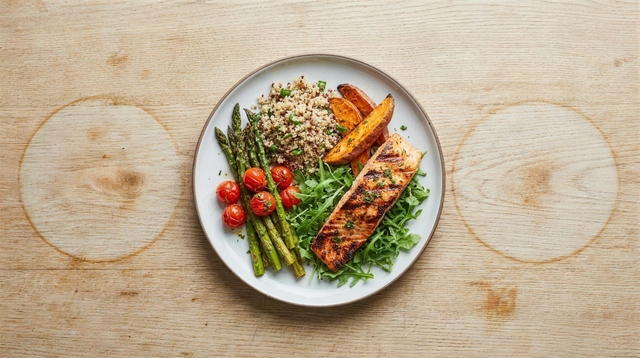
An ordinary, balanced meal is generally fine. Protein and fibre make it satisfying, and starting slightly smaller than you feel like is more about comfort than safety.
The commonest mistake here is treating the first meal as a reward. A very large, very fatty meal after a fast tends to produce bloating, cramps and nausea — unpleasant, not dangerous, and entirely avoidable.
After a long fast (several days)
Come back slowly and deliberately:
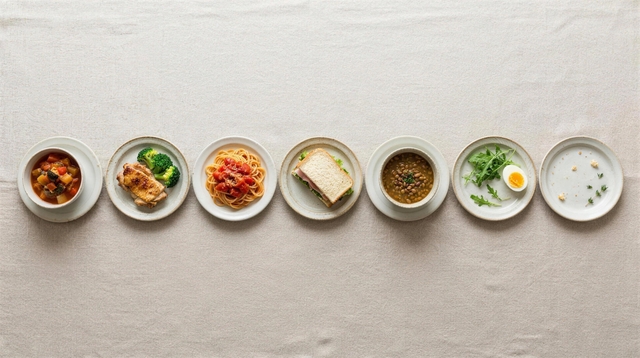
- Start small. Broth or a light soup, yoghurt or kefir, a small portion of fruit, cooked and easily digested vegetables.
- Wait, then repeat. Several small intakes across a day beat one meal.
- Build carbohydrate back gradually rather than leading with it — carbohydrate is what drives the insulin shift.
- Watch for warning signs. Confusion, weakness, palpitations, swelling or breathlessness in the days after refeeding warrant urgent medical attention.
If a fast has run for several days, or you were underweight going into it, this is a good reason to have had medical oversight from the start rather than only at the end.
The bottom line
The riskiest moment of an extended fast is usually not the fast. It is the meal that ends it. After a normal overnight or 24-hour fast, eat a normal meal and enjoy it. After a long one, come back the way you would return to a cold pool — gradually, and paying attention.
References
Each source is listed against the claim it supports, so you can check the pairing rather than take the list on trust.
-
1. Supports: “Increased nutrition following a prolonged period of starvation can cause refeeding syndrome, with hypophosphataemia its hallmark alongside falls in magnesium, potassium and thiamine.”
Refeeding Syndrome — Persaud-Sharma D, Saha S, Trippensee AW . StatPearls Publishing , last updated 2022-11-07.
-
2. Supports: “After around 24 hours glycogen is depleted and the body shifts to fat and protein stores, which is the metabolic state food is being reintroduced into.”
Physiology, Fasting — Sanvictores T, Casale J, Huecker MR . StatPearls Publishing , last updated 2023-07-24.
Written by
Health journalist covering fasting, detox protocols, supplements and recovery, with a bias towards saying what the evidence does not show.